
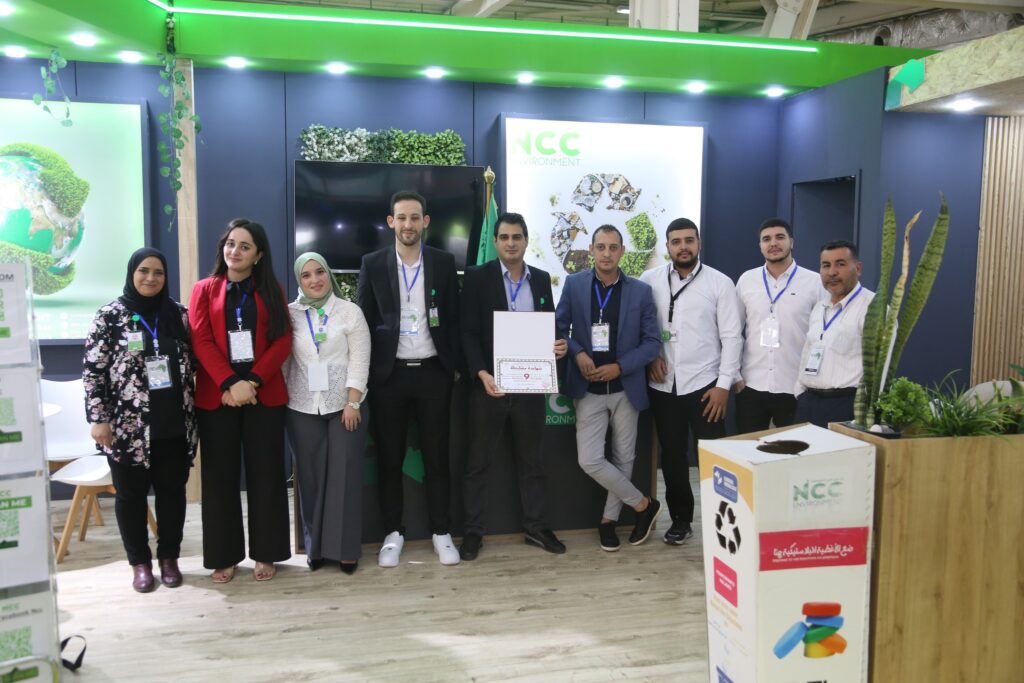
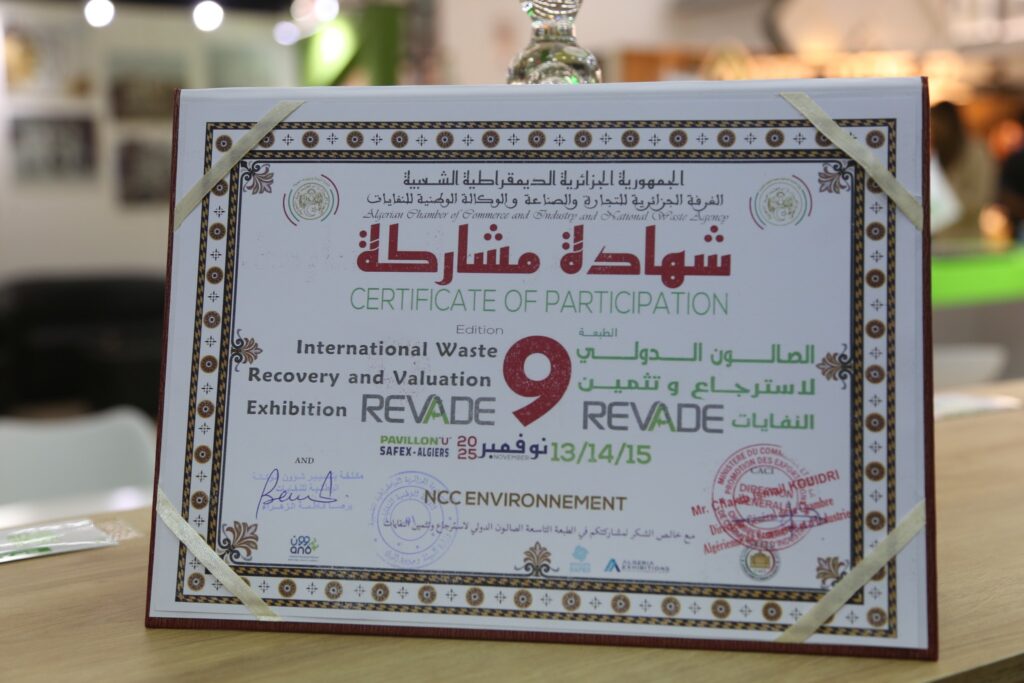
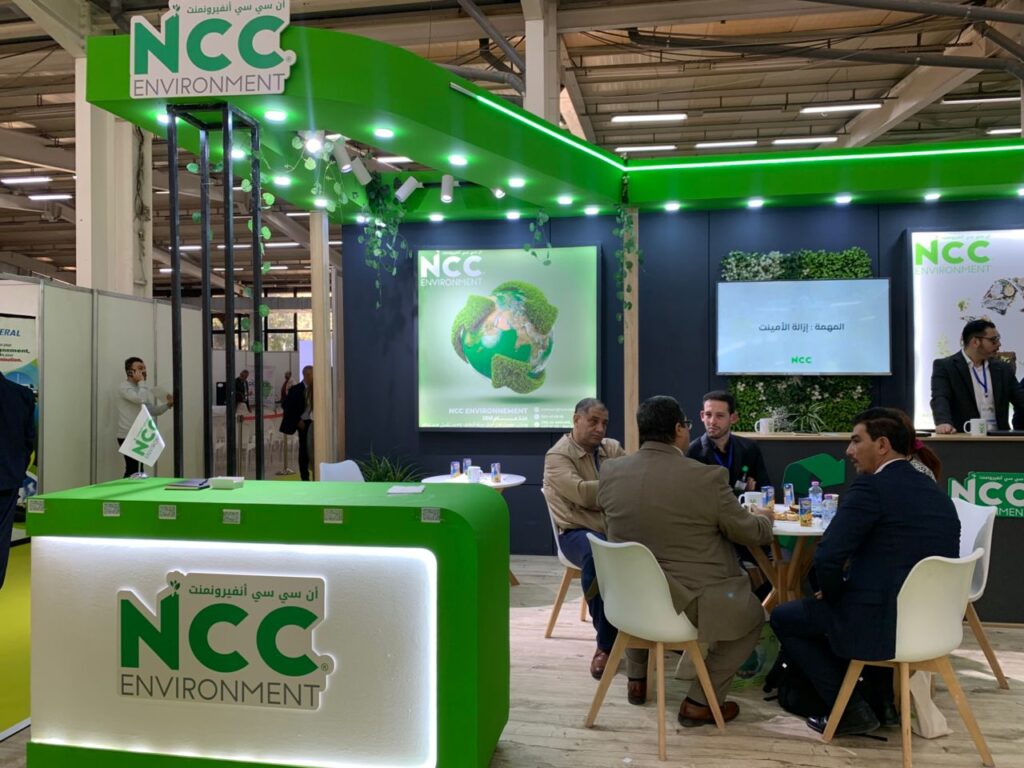
We had the honor of participating in REVADE 2025, a major national and international event in the field of waste management, treatment, and recovery in Algeria. This participation was a rich and unique experience for NCC Environment, thanks to the constructive meetings and promising opportunities for development and cooperation that it provided.
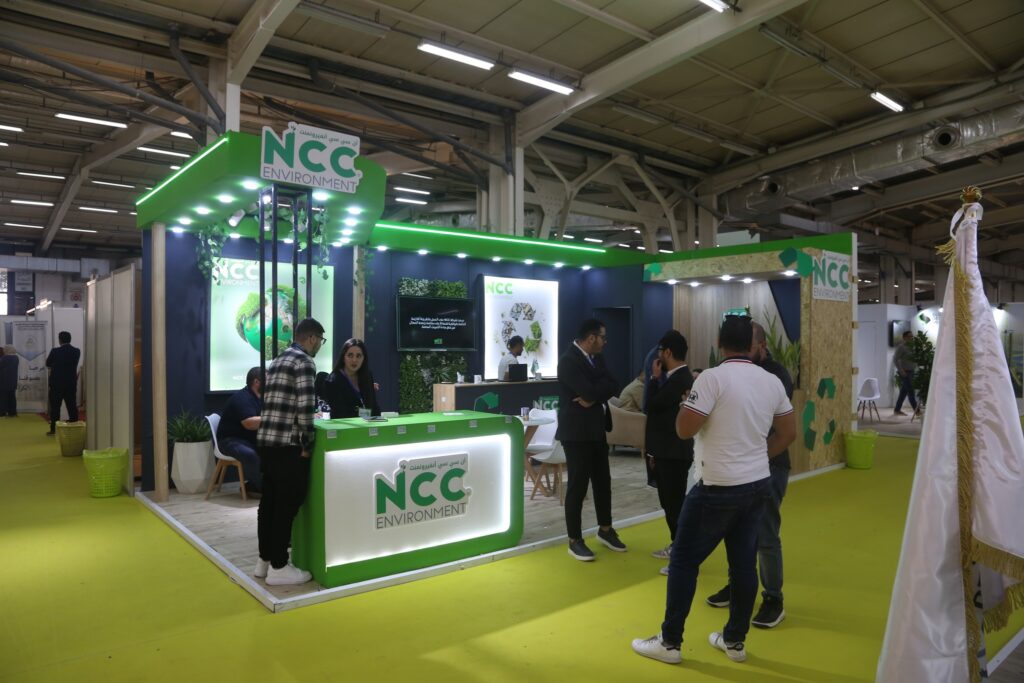
A space for meeting and strengthening partnerships
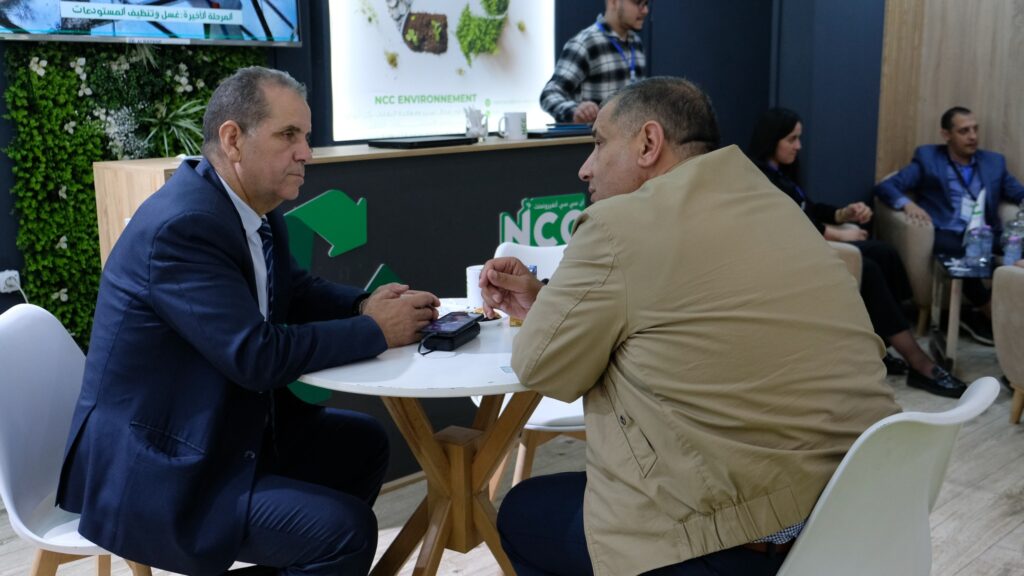
This trade show gave us the opportunity to meet with many of our professional and institutional partners, both old and new. It was a chance to strengthen our professional relationships in a relaxed and friendly atmosphere, far from the formality of meetings, in perfect harmony with the spirit of the REVADE trade show, which encourages innovation, collaborative work, and sustainable development.
Inspiring encounters
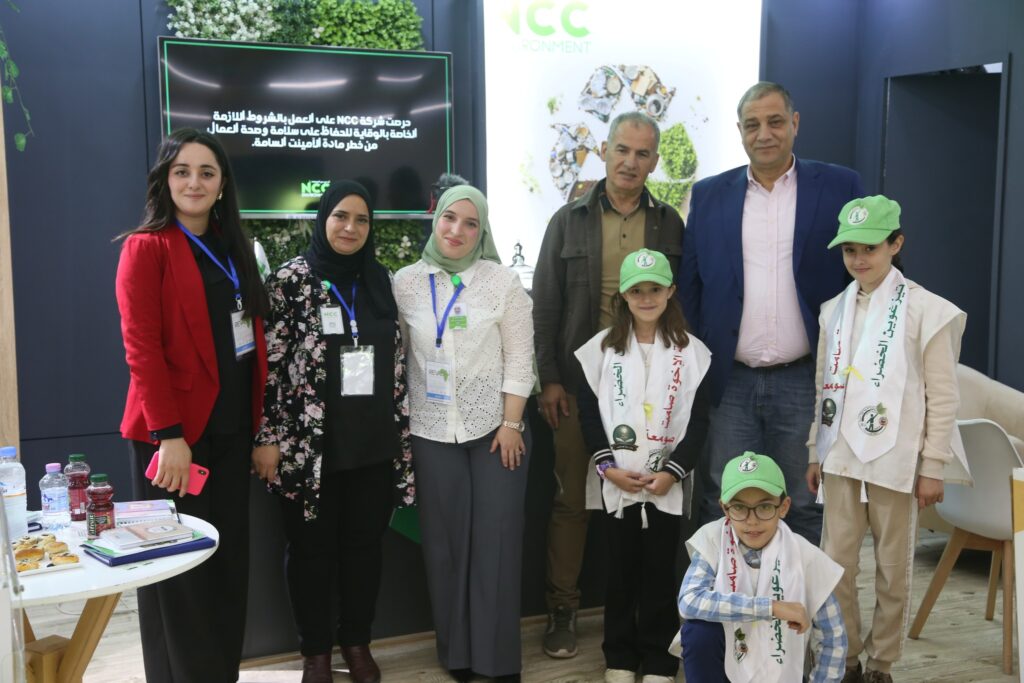
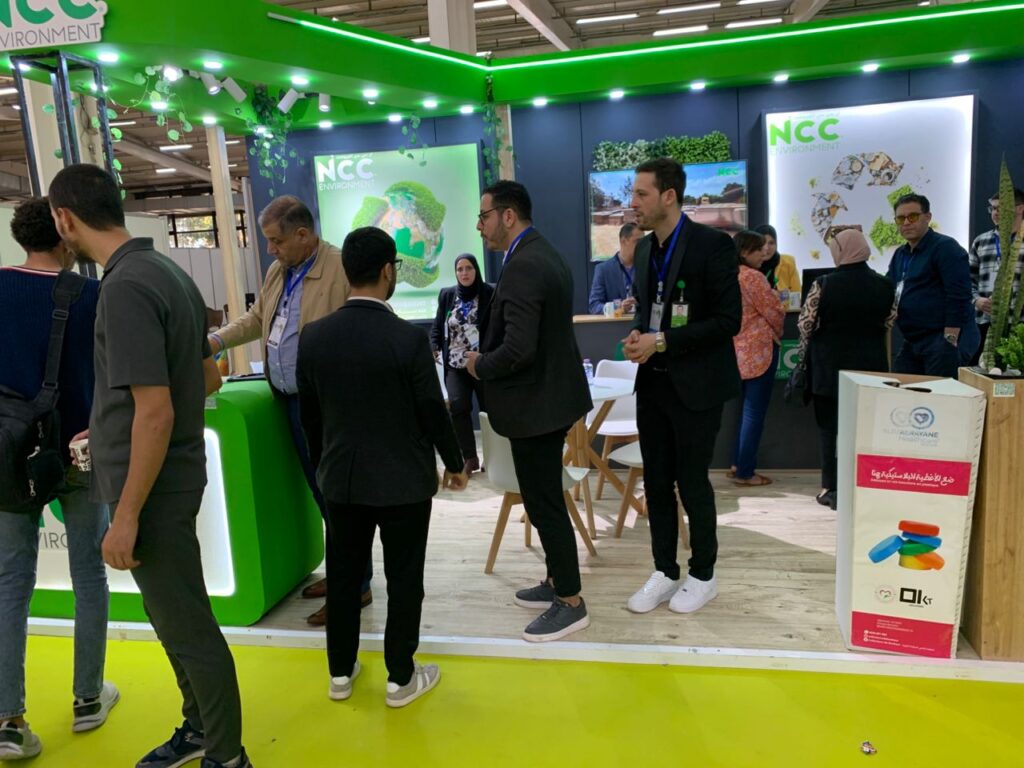
We also had the pleasure of talking to many students, pupils, and people with ideas and projects who are keen to invest in the field of waste management.
We saw their boundless enthusiasm and ambition, which reinforces our belief that the future of the sector lies in the hands of a conscious young generation capable of innovating and adding value.

Encouraging and concrete results
Notre participation à cet événement nous a permis d’ouvrir de nouvelles perspectives, d’entamer des discussions sur des projets importants avec nos partenaires actuels et nouveaux, et d’obtenir des promesses de collaborations futures.
Ces résultats confirment l’importance de notre présence à ce salon et reflètent la confiance croissante dans les services et le professionnalisme de NCC Environnement.
A renewed commitment
We left the trade show with renewed energy and an even stronger determination to pursue our mission: to contribute to the development of the waste management sector in accordance with the principles of environmental responsibility and sustainable development.
Acknowledgements and gratitude
We would like to extend our warmest thanks to everyone who visited our booth, as well as all our partners and visitors who participated in discussions and exchanges of ideas. We would also like to thank everyone who contributed, directly or indirectly, to the success of this trade show.
We are committed to investing everything that has been achieved at this event in order to provide better and more innovative solutions for the environment.
Introduction
With rapid urbanization and industrial growth, waste management has become a crucial pillar for protecting public health and minimizing environmental impact. In 2025, companies and municipalities must adopt innovative strategies to reduce risks, streamline operations, and ensure full traceability.
This article explores the most effective approaches that can transform waste management into a driver of sustainable development.
Current Environmental Challenges
1. Accumulation of Hazardous Waste
Industrial, medical, and chemical waste presents real dangers. When mishandled, it can contaminate soil, groundwater, and air, causing long-term health and environmental impacts.
2. Lack of Adequate Infrastructure
Many communities still lack specialized sorting, storage, and treatment facilities that meet international standards. This leads to excessive reliance on open dumping sites.
3. Insufficient Traceability
Without rigorous monitoring, sensitive waste can be transported, stored, or disposed of improperly, exposing populations to avoidable risks.
Modern Solutions for Effective Waste Management
1. Specialized and Secure Collection
Optimizing collection requires:
- Approved and compliant containers
- Properly equipped vehicles
- Efficient routing that reduces carbon emissions
- Highly trained HSE-certified staff
These measures ensure safety for both workers and nearby communities.
2. Waste Recovery and Recycling
Waste recovery is now a strategic priority. It allows:
- Reduction of landfill waste volume
- Recovery of valuable raw materials
- Lower operational costs
- Contribution to a circular economy
Modern sorting technologies and advanced recovery facilities play a key role.
3. Management of Healthcare Waste (DASRI)
Waste produced by healthcare activities poses significant risks if not handled properly. Effective management includes:
- Color-coded collection systems
- Secure storage
- Disinfection or compliant incineration
- Full traceability from production to final treatment
4. Treatment of Toxic and Industrial Waste
PCB, solvents, used oils, and other hazardous waste require:
- Certified industrial packaging
- ADR-compliant transportation
- Treatment at authorized specialized centers
The Importance of Traceability
Digital transformation has revolutionized the waste management sector. Today, innovative digital solutions enable:
- Real-time tracking of waste movements
- Automatic generation of required regulatory documents
- Total transparency between producers, transporters, and processors
- Reduced risk of non-compliance
Traceability is no longer a bonus — it is a legal and operational necessity.
The Role of Businesses in the Green Transition
Organizations that adopt proactive environmental policies benefit from:
- A stronger brand image
- Reduced operational costs
- Improved regulatory compliance
- Easier access to international certifications (ISO, TÜV, etc.)
Investing in responsible waste management means investing in a safer future for employees, partners, and communities.
Toward More Sustainable Management
The future of waste management relies on:
- Continuous modernization of equipment
- Integration of digital technologies
- Collaboration between public and private sectors
- Citizen awareness
- Infrastructure adapted to growing needs
Combining innovation with responsibility enables environmental protection while addressing health and economic challenges.
Conclusion
Sustainable waste management is no longer optional — it is essential. Existing and emerging solutions help companies and communities protect public health, strengthen compliance, and reduce environmental impact.
Building sustainable cities starts with clean, controlled, and intelligent waste management.
Introduction
Waste management has become one of the major environmental challenges facing modern cities. With the constant increase in urban population and evolving consumption patterns, it is crucial to rethink our approaches to waste treatment and recovery.
In this article, we explore innovative solutions that are transforming urban waste management and contributing to creating more sustainable and resilient cities.
Key Waste Management Figures
Before exploring solutions, it’s important to understand the scale of the challenge:
- 2.01 billion tons of municipal solid waste are generated annually worldwide
- 33% of this waste is not managed in an environmentally sound manner
- 75% of waste could be recycled or composted with proper infrastructure
- 1.6 billion tons of CO2 are emitted through poor waste management
Main Environmental Challenges
1. Soil and Water Pollution
Poor waste management leads to significant contamination of soil and groundwater. Uncontrolled landfills release toxic leachate that seeps into the soil and contaminates underground water resources.
Heavy metals, chemicals, and plastics decompose slowly, creating lasting pollution zones that affect local biodiversity and public health.
2. Greenhouse Gas Emissions
Landfills are responsible for significant methane emissions, a greenhouse gas 25 times more powerful than CO2. Anaerobic decomposition of organic waste produces this gas, which significantly contributes to global warming.
“Inadequate waste management contributes to approximately 5% of global greenhouse gas emissions, a figure that could be considerably reduced with appropriate practices.”
3. Impact on Public Health
Poorly managed waste poses a major health risk. It attracts disease vectors such as rats, flies, and mosquitoes, promoting the spread of infections.
People living near uncontrolled landfills are exposed to:
- Respiratory diseases caused by toxic fumes
- Infections caused by contaminated water
- Dermatological problems related to contact with hazardous substances
- Increased cancer risks due to prolonged exposure to toxins
Innovative Solutions for Sustainable Management
Energy Recovery
Transforming waste into energy represents a promising solution. Modern technologies allow:
- Converting organic waste into biogas usable for electricity production
- Using controlled incineration to generate heat and electricity
- Producing refuse-derived fuels (RDF) for industry
These approaches not only reduce the volume of waste in landfills but also create a renewable energy source.
Large-Scale Composting
Industrial composting of organic waste offers several advantages:
- Reduction of 30 to 50% of total waste volume
- Production of high-quality soil amendment
- Decrease in methane emissions
- Creation of local jobs in the green sector
Circular Economy and Recycling
Adopting circular economy principles transforms our approach to waste. Rather than considering materials as waste, we see them as resources:
Recyclable materials include:
- Plastic (PET, HDPE, PVC)
- Glass (100% infinitely recyclable)
- Metals (aluminum, steel, copper)
- Paper and cardboard
- Textiles
Recycling benefits:
- Conservation of natural resources
- Reduction of production energy by up to 95%
- Job creation in the recycling sector
- Decrease in carbon footprint
The Role of Digital Technologies
Technological innovations are revolutionizing waste management:
Smart Collection Systems
IoT sensors installed in containers optimize collection routes. They measure fill rates in real-time and alert collection services only when necessary.
This approach reduces CO2 emissions from collection vehicles by 30 to 40% and optimizes operational costs.
Automated Sorting Centers
Artificial intelligence and robotics are transforming sorting centers. Robots equipped with computer vision can identify and separate different types of materials with over 95% accuracy.
These systems enable:
- Faster and more accurate sorting
- Better quality of recycled materials
- Reduction in workplace accidents
- Increase in recycling rates
Mobile Awareness Applications
Mobile apps educate citizens about selective sorting and waste reduction. They provide real-time information on:
- Selective collection points
- Specific sorting instructions
- Local recycling centers
- Waste reduction initiatives
Case Studies: Exemplary Cities
San Francisco: Zero Waste Goal
San Francisco has implemented an ambitious program aiming to achieve zero waste by 2030. The city has already reached an 80% diversion rate through:
- A mandatory three-stream sorting requirement (recycling, compost, garbage)
- Fines for non-compliant businesses
- A free municipal composting program
- Ongoing public education initiatives
Copenhagen: Innovation in Service of the Environment
The Danish capital has transformed its waste management system by integrating:
- Underground pneumatic collection systems
- An ultra-modern incineration plant that produces electricity and district heating
- Strict recycling targets by sector
- Close collaboration with industry for eco-design
The Role of Citizens and Businesses
Individual Actions
Every citizen can contribute to better waste management:
- Reduce waste production by favoring durable products
- Reuse objects rather than throwing them away
- Recycle correctly according to local guidelines
- Compost organic waste at home
- Raise awareness among those around you about good practices
Corporate Responsibility
Businesses have a crucial role to play:
- Adopt eco-design to facilitate product recycling
- Implement product take-back systems at end of life
- Reduce unnecessary packaging
- Train employees in sustainable practices
- Invest in clean technologies
The Future of Waste Management
Upcoming innovations promise to further revolutionize the sector:
Accelerated Biodegradation
Research is underway on enzymes and bacteria capable of rapidly decomposing plastics. These biological solutions could solve the plastic pollution problem naturally and effectively.
Chemical Recovery
Pyrolysis and gasification technologies allow plastic waste to be transformed into fuels and basic chemicals, thus creating a true circular economy for plastic.
Blockchain for Traceability
Blockchain could enable tracking the complete life cycle of products and their materials, ensuring total transparency in the recycling chain and facilitating the circular economy.
Conclusion
Urban waste management is a complex challenge that requires an integrated approach combining technology, public policy, and behavioral change. Solutions exist and many cities demonstrate that it is possible to transform waste into resources while protecting the environment and public health.
The future of sustainable cities inevitably passes through intelligent and responsible management of our waste. Everyone, from citizens to businesses to governments, has a role to play in this necessary transformation.